

AUTHENTICITY BUILDS TRUST
When Creative Marketing Crosses the Line Into Misrepresentation
A recent listing appointment reinforced something I have believed for a long time: authenticity builds trust, and misrepresentation destroys it.
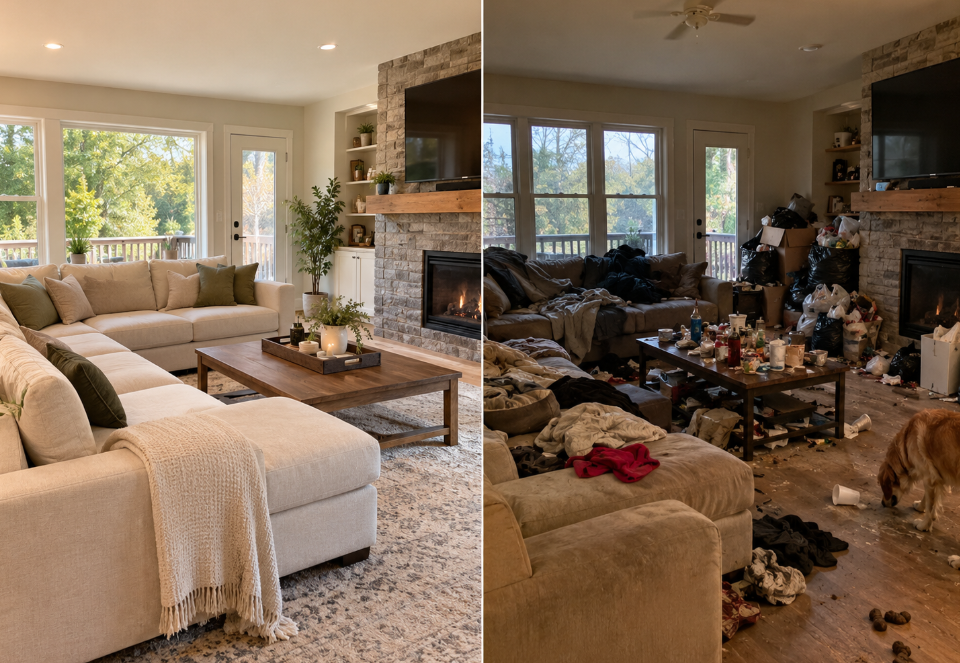
The MLS photographs had been digitally altered to show what the house could look like after renovations rather than what it actually looked like today.
There is nothing inherently wrong with virtual staging or renovation renderings when clearly identified. But there is a significant difference between showing a property's potential and presenting that potential as its current condition.
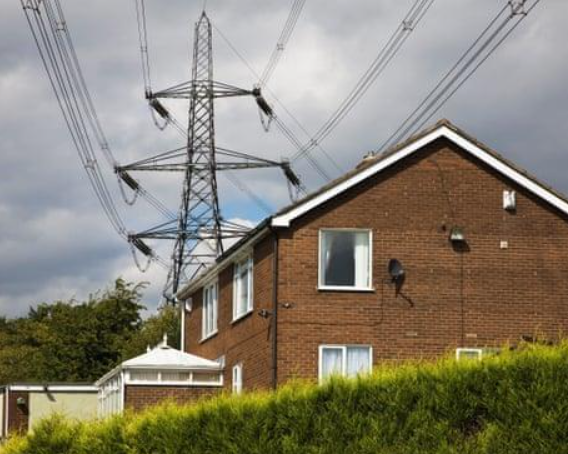
Years ago, I heard about an Oregon real estate agent who photographed a house situated directly beneath a large electrical transmission tower—but framed the photograph so the tower wasn't visible.
Technically, the photograph may have shown the house. But did it give a fair impression of the surroundings?
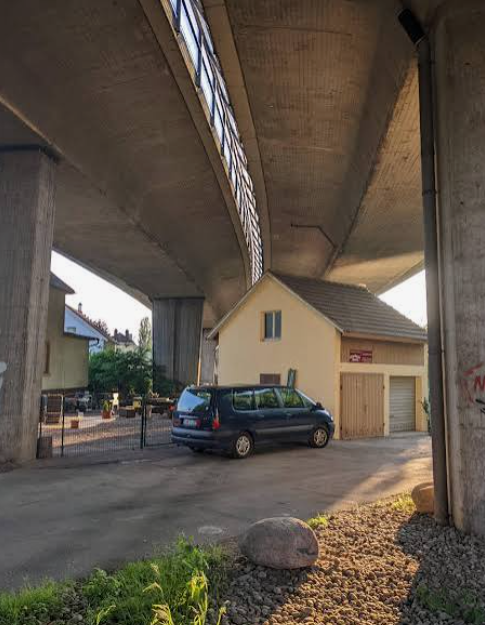
Or consider a property advertised as 50 x 100. On paper, that sounds straightforward. But what happens when the dimensions are oriented differently than the buyer expects—100 feet wide and only 50 feet deep — leaving virtually no backyard?
Same square footage. Entirely different possibilities.
Then there are the less visible problems.
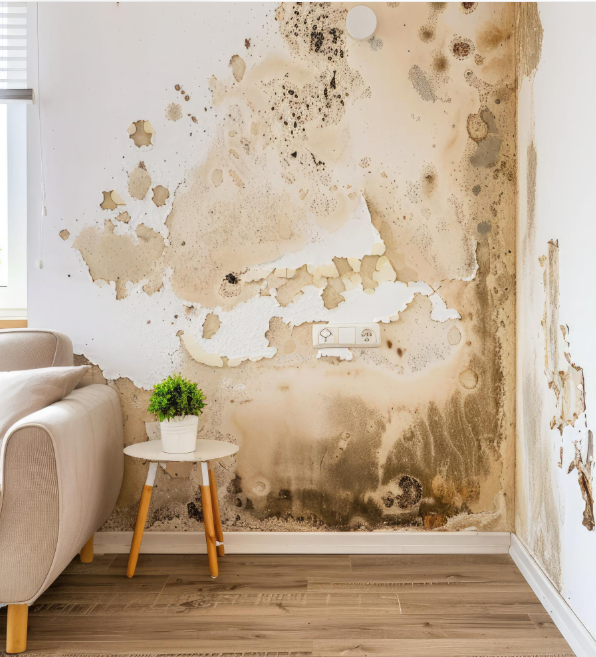
A seller knows about recurring water intrusion but fills the damaged area with spackle and applies fresh paint. The wall looks beautiful. The underlying problem remains.
Or a seller conveniently omits a known material defect from the property disclosure, hoping nobody notices.
In Florida, sellers must disclose known facts that materially affect a residential property's value when those facts are not readily observable and are not known to the buyer.
A freshly painted wall is not a substitute for an honest disclosure.

But authenticity isn't limited to the property. It extends to the people representing it.
Consider an agent who is now 60 years old but continues using a heavily retouched photograph from age 30. What happens when the client finally meets that agent?
And I remember another example discussed in a real estate class.
A client had communicated by telephone with someone who sounded young, knowledgeable, and technologically proficient. But when the client finally met the actual agent, the person was considerably older and lacked the technical knowledge the client had come to expect.
There is absolutely nothing wrong with being older, using assistants, or delegating work.
The problem is allowing the client to believe they are communicating directly with their agent when they are actually speaking with someone else.
Assistants can be invaluable. Their roles should simply be transparent, and their activities must remain within applicable licensing rules.
Whether we're talking about photographs, property dimensions, seller disclosures, or professional representation, the principle remains the same.
A technically accurate statement can still create a misleading impression when important context is missing.
Buyers deserve accurate information. Sellers deserve honest representation. And clients deserve to know who they are actually dealing with.
Present the property honestly. Present yourself honestly. Let trust do the selling.
#RealEstate #AuthenticityMatters #PropertyDisclosure #RealEstateTruths #BuyerBeware #SellerResponsibility #TrustMatters #RealEstateStories #WaypointProperties @WaypointProperties