

What Your Home Inspection Won't Tell You
Researching a Property's Past & Its Future
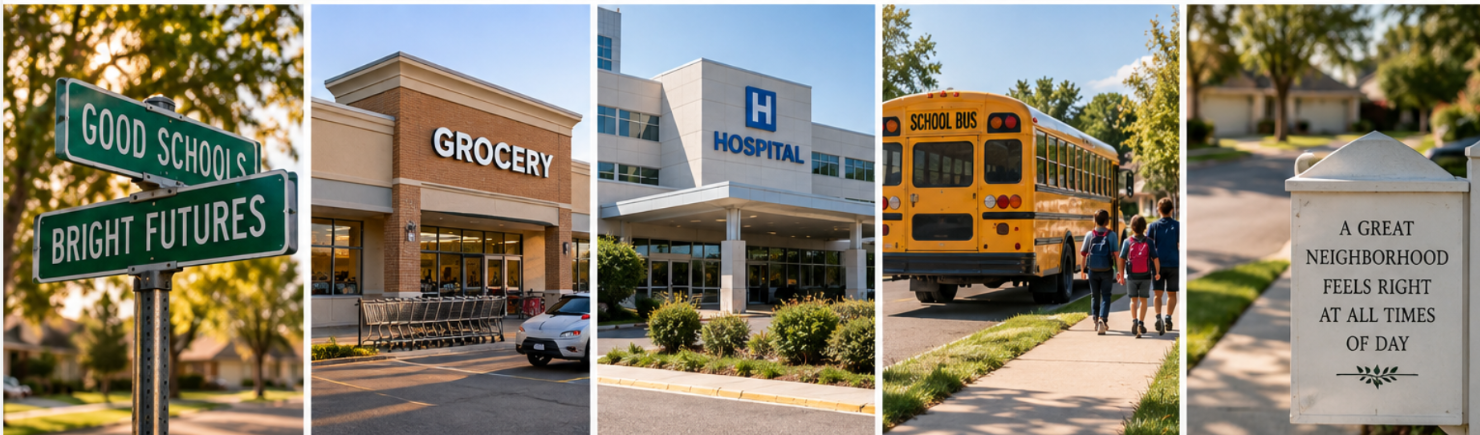
When we're buying a house, we investigate all sorts of things.
How old is the roof?
Has the plumbing been updated?
Is there evidence of termites?
What is the flood zone?
Are there permits for that addition?
Then we hire a professional home inspector to look for things we may have missed.
But there are other parts of a property that aren't visible during an inspection:
Its history. Its surroundings. And sometimes, its future.
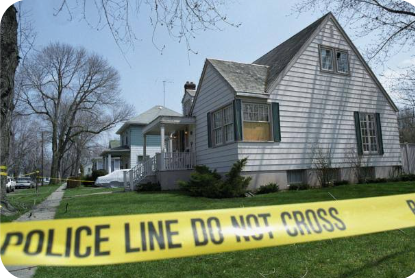
And any one of those things may matter very much to the person considering living there.
What Florida Sellers Don't Necessarily Have to Tell You
Florida law contains a provision that might surprise some buyers.
Under Florida Statute §689.25, the fact that a property was—or was at some point suspected to have been—the site of a homicide, suicide or death is not considered a material fact that must be disclosed in a real-estate transaction. The statute also provides that owners and real-estate professionals aren't liable merely for failing to disclose those particular facts.
In other words, the seller disclosure isn't necessarily going to tell you everything you might personally want to know about the history of the house.
That's different from a physical defect.
A leaking roof can affect the physical condition and value of a property. A death that occurred in the home may have absolutely no effect on the structure—but it could make an enormous difference to a particular buyer.

This is sometimes referred to as a stigmatized property: a property where something in its history creates a psychological or emotional concern rather than a physical defect.
A REALTOR® Magazine article I had saved from 2018—remember that cleanup I mentioned yesterday?—inspired this post and discusses exactly that distinction.
What Matters to You May Not Be on a Disclosure
Sometimes what matters to a buyer has nothing to do with whether something is legally considered a material property defect.
I've had a client tell me very specifically:
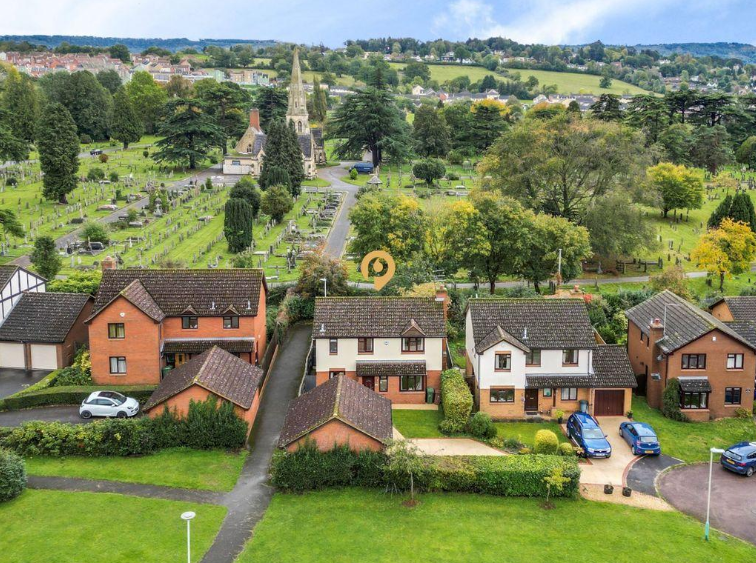
Do not show me a house within five blocks of a cemetery—and don't show me one where I have to pass a cemetery to get home.
There was nothing physically wrong with those houses. A cemetery wasn't going to affect the roof, plumbing or electrical system.
But it mattered to my buyer.
The same principle can apply to things such as feng shui, proximity to certain land uses, a property's history, or other circumstances that are personally important to you.
That's why one of the most important things you can tell your real-estate professional isn't just what you want in a house—it's what you absolutely do not want.
Disclosure Laws Change When You Cross State Lines
Buyers also need to understand that disclosure laws vary from state to state.
If you're moving into Florida—or leaving Florida for another state—don't assume the disclosure rules you're accustomed to follow you across the state line.
For example, Oregon's seller disclosure form specifically addresses whether a property has been used as an illegal drug manufacturing or distribution site. That can matter because contamination associated with methamphetamine production can involve the property itself—not merely its reputation.
Registered sex-offender information provides another example of how the rules and an agent's role can vary.
New Jersey specifically restricts real-estate licensees from providing certain Megan's Law notification information and instead directs buyers to the appropriate official source. Oregon takes a somewhat different approach and directs buyers concerned about registered sex offenders to conduct their own investigation.
That's another reason buyers shouldn't simply assume:
“If there were something important, my agent would tell me.”
Sometimes your agent isn't required to tell you. Sometimes the information may be outside the agent's role to investigate or provide. And sometimes something extremely important to you isn't legally considered a material fact about the property at all.
If you're moving from one state to another, learn what the disclosure rules are in your intended destination—because the rules you knew back home may not apply there.
So How Does a Buyer Research a House's History?
Start with something incredibly simple:
Google the address.
And don't stop with the first page of results.
Search the address in quotation marks. Look under the News results. Try the street address with terms such as fire, police, arrest, death, or crime.
For an older property, research its history. Historic preservation organizations, newspaper archives and local records can sometimes tell you things that never appear in an MLS listing.
Depending upon what concerns you, relevant public records may also be worth researching.
Another example is registered sex offenders. Rather than assuming your real-estate agent will identify or characterize who lives in a neighborhood, buyers can research the appropriate official public information themselves when that is important to their decision.
And here's an old-fashioned research tool that shouldn't be underestimated:
Talk to the neighbors.
Neighbors frequently know the history of a house and neighborhood better than anyone. The REALTOR® Magazine article I mentioned earlier specifically recommends talking with neighboring residents because they may know about circumstances surrounding a property that aren't apparent from the transaction paperwork.
See the Neighborhood at Different Times
Don't limit your research to the house itself—or to the neighborhood at the time of your showing.
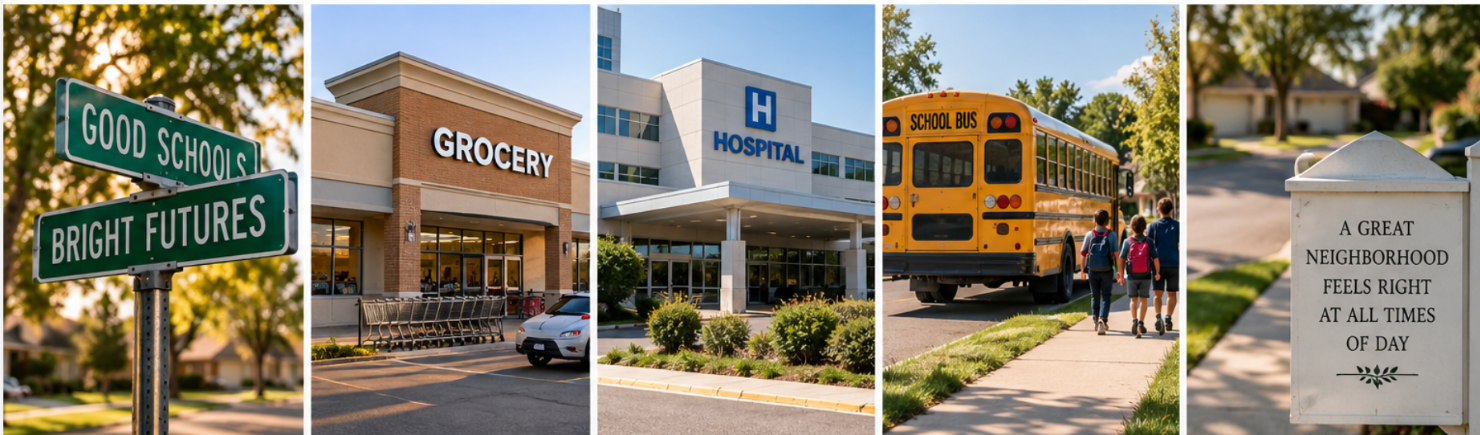
Drive or walk through the area at different times of day, and if there's a school nearby, make a point of visiting during school arrival or dismissal.
Where do the cars line up? Do parents block driveways while waiting to pick up their children? Do cars routinely pull into private driveways to turn around? What does traffic look like when buses are running?
A quiet street at 11:00 on a Saturday morning may be a very different street at 3:00 on a school day.
Think about your own everyday needs, too. If your children will ride the school bus, where is the bus stop? Is the location practical and safe for your family?
And look beyond schools and traffic.
How far are the services you actually use?
A grocery store. A pharmacy. Medical care or a hospital. Gas stations. Restaurants. Schools. Parks. Emergency services. Whatever matters to the way you live.
A house can be perfect on the inside and still be in a location that doesn't work for your everyday life.
Sometimes the best way to investigate a neighborhood is simply to spend some time in it before you decide to live there.
Don't Just Research the Past—Look at the Future
Researching a property shouldn't necessarily stop with what happened there yesterday.
Look at what may happen around it tomorrow.
Check county and local government records for proposed or approved developments, zoning changes, land-use amendments, road projects, commercial projects and other development activity in the surrounding area.
That vacant land behind the house may look like it will stay vacant forever.
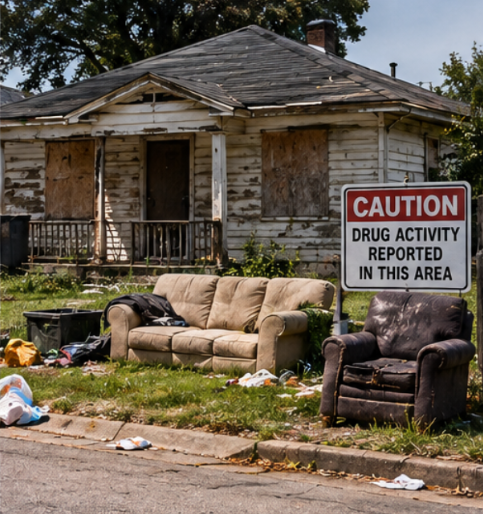
It may even be government-owned land.
Don't assume that means it cannot or will not be developed.
With new subdivisions, commercial projects, data centers and other large developments appearing in communities across the country, today's quiet view could look very different several years from now.
Depending on the area, useful information may be found in planning and zoning records, county commission agendas and minutes, comprehensive plans, future land-use maps, zoning maps, development applications and approved site plans.
You may not be able to predict everything that will happen around a property.
But before buying, it is worth asking:
What is there now—and what is already being planned for later?
And Yes... Even the Ghost Stories
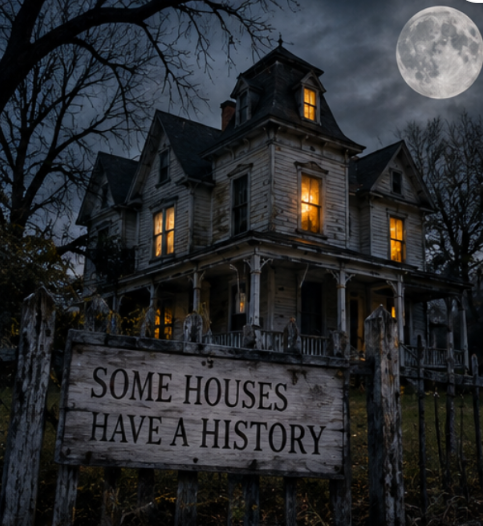
With Halloween approaching, we can't discuss stigmatized properties without mentioning the classic haunted house.
Do you believe in ghosts?
Maybe you do. Maybe you don't.
But that's really beside the point.
If a house has been locally known as “the haunted house” for 30 years, that's information some buyers would absolutely want before purchasing it—even if another buyer couldn't care less.
One person may hear that someone died peacefully in the home 20 years ago and shrug.
Another person may immediately cross the house off the list.
Neither buyer is necessarily wrong.
They're deciding what matters to them.
And that's really the point of all of this.
Do Your Own Due Diligence
A home inspection is extremely important, but it primarily answers questions about the physical property.
It doesn't necessarily tell you the property's story.
It doesn't necessarily tell you everything about its surroundings.
And it certainly can't tell you everything that may happen around it in the future.
When you're considering buying a home, investigate the things that matter to you personally. Ask questions. Search the address. Look through available public information. Check local government records. Talk to the neighbors. And talk with your real-estate professional about concerns that are important to you.
Because there are really two very different questions when you're buying a house:
Is there anything wrong with the property?
And...
Is there anything about this property, its history, its surroundings, or its possible future that matters to me—even if it wouldn't matter to someone else?
Those aren't always the same question.
#RealEstateEducation #FloridaRealEstate #FloridaHomeBuyer #HomeBuyingTips #BuyerEducation #PropertyResearch #HomeInspection #DueDiligence #StigmatizedProperty #HouseHistory #WakullaCountyRealEstate #WakullaCounty #CrawfordvilleFL #PanaceaFL #WaypointProperties #FindYourWayForward