

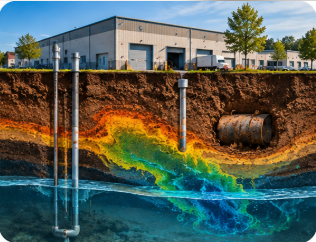
COMMERCIAL PROPERTY: WHAT LIES BENEATH?
A commercial property can look perfectly ordinary from the street. The building may be well maintained, the parking lot freshly paved, and the location ideal for your next business venture.
But appearances don't tell you what happened on that property 20, 40, or even 60 years ago.
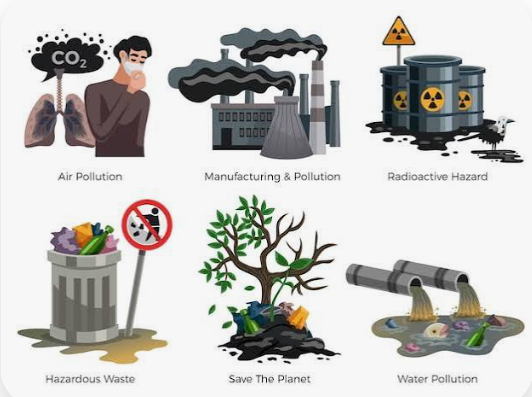
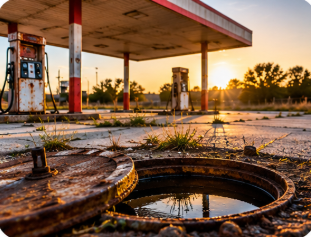
Perhaps it was once a gas station. Maybe a dry-cleaning business operated there. Or perhaps the neighboring property housed an industrial operation that affected the surrounding soil or groundwater.
Environmental concerns are not always visible, and purchasing a property without investigating its history can expose a buyer to unexpected expenses, regulatory complications, and potential liability.
That's where environmental due diligence comes into play.
Step One: Investigate the Property's Past
One of the most important tools in commercial real estate due diligence is the Phase I Environmental Site Assessment (ESA).
A Phase I ESA generally examines historical records, past property uses, regulatory databases, and current site conditions to identify potential environmental concerns.
The environmental professional may investigate whether the property once contained underground storage tanks, handled hazardous substances, or was affected by activities on nearby properties.
A Phase I assessment does not ordinarily involve collecting soil or groundwater samples. Its purpose is to identify potential problems that may warrant further investigation.
Think of it as researching a property's history before deciding whether you need to dig deeper.
Step Two: When the Investigation Goes Further
If the Phase I assessment identifies conditions that warrant additional investigation, a Phase II Environmental Site Assessment may be recommended.
This is where testing comes into the picture.
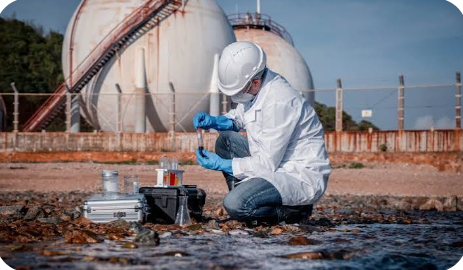
Depending on the circumstances, environmental professionals may collect soil, groundwater, soil-gas, or other samples to determine whether contamination exists and evaluate its nature and extent.
Not every property requires a Phase II assessment. But when the evidence points to a potential environmental problem, further testing can be essential to making an informed purchase decision.
After all, discovering contamination before closing gives you options. Discovering it afterward may leave you with a problem you did not budget for.
Step Three: Understand Who May Be Responsible
Environmental liability can become complicated.
Federal laws, including the Comprehensive Environmental Response, Compensation, and Liability Act (CERCLA), and applicable state regulations can affect responsibility for contaminated properties.
In certain circumstances, a property owner may face environmental liability even if the contamination occurred before the property was purchased.
However, federal law also provides certain liability protections for qualifying purchasers who satisfy specific requirements. Proper pre-purchase environmental due diligence can be an important part of establishing eligibility for those protections.
A purchase agreement stating that the seller will handle contamination does not necessarily eliminate a buyer's potential liability to government regulators.
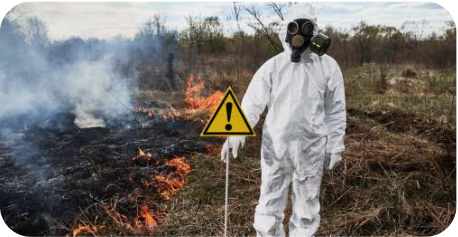
This is why involving a qualified environmental consultant and an environmental attorney before closing can be so important.
Step Four: Determine What Cleanup Actually Involves
If contamination is confirmed, the next question is what needs to be done about it.
Environmental remediation might involve removing contaminated soil, treating groundwater, containing affected areas, or installing systems to monitor conditions over time.
Some properties may require extensive cleanup. Others may be managed through approved engineering or institutional controls, depending on the contamination, regulatory requirements, and intended property use.
The cost and timeline can vary dramatically.
A relatively limited issue might be manageable within the transaction. A complicated groundwater problem could require years of monitoring and significant expense.
Before purchasing, buyers should understand the anticipated scope of work, regulatory obligations, projected costs, and whether the intended use of the property will be restricted.
Step Five: Don't Forget Financing and Insurance
Environmental conditions can also influence whether a commercial transaction can be financed.
Lenders may require environmental assessments and additional documentation before approving a loan. Depending on the findings, a lender may request remediation, financial assurances, or other protections.
Insurance deserves attention as well.
Ordinary property insurance may exclude certain pollution-related losses. Specialized environmental liability coverage may be available, but its terms, exclusions, and limitations must be reviewed carefully.
A property that appears affordable on paper may become considerably less attractive once remediation expenses, financing conditions, and insurance costs are included.
Step Six: Negotiate With the Facts in Hand
Environmental concerns do not automatically mean walking away.
Depending on the circumstances, buyers may negotiate for the seller to complete remediation before closing, adjust the purchase price, establish an escrow, extend due-diligence periods, or allocate certain responsibilities through the purchase agreement.
But negotiations should be based on reliable information—not guesses about what cleanup might cost.
And remember, a seller's contractual promise to pay for remediation is only as useful as the agreement's enforceability and the seller's ability to fulfill that obligation.
The Bottom Line
Commercial real estate can offer tremendous opportunities, including properties with complicated histories.
The key is understanding what you are purchasing.
A low asking price may represent an opportunity, or it may reflect problems that will require substantial time and money to resolve.
Environmental due diligence helps buyers distinguish between the two.
Because when purchasing commercial property, what lies beneath the surface can be just as important as what stands above it.
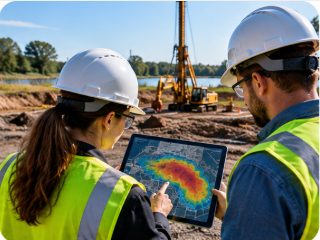
Considering a commercial property purchase? Work with experienced real estate, environmental, legal, and lending professionals so you can make an informed decision before committing to the investment.
#CommercialRealEstate #EnvironmentalDueDiligence #PhaseIESA #PhaseIIESA #EnvironmentalRemediation #CommercialInvesting #PropertyInvestment #RealEstateEducation #BuyerBeware #WaypointProperties @WaypointProperties