

The Houses That Refused to Come Ashore
An extraordinary community built above the waters of Biscayne Bay.
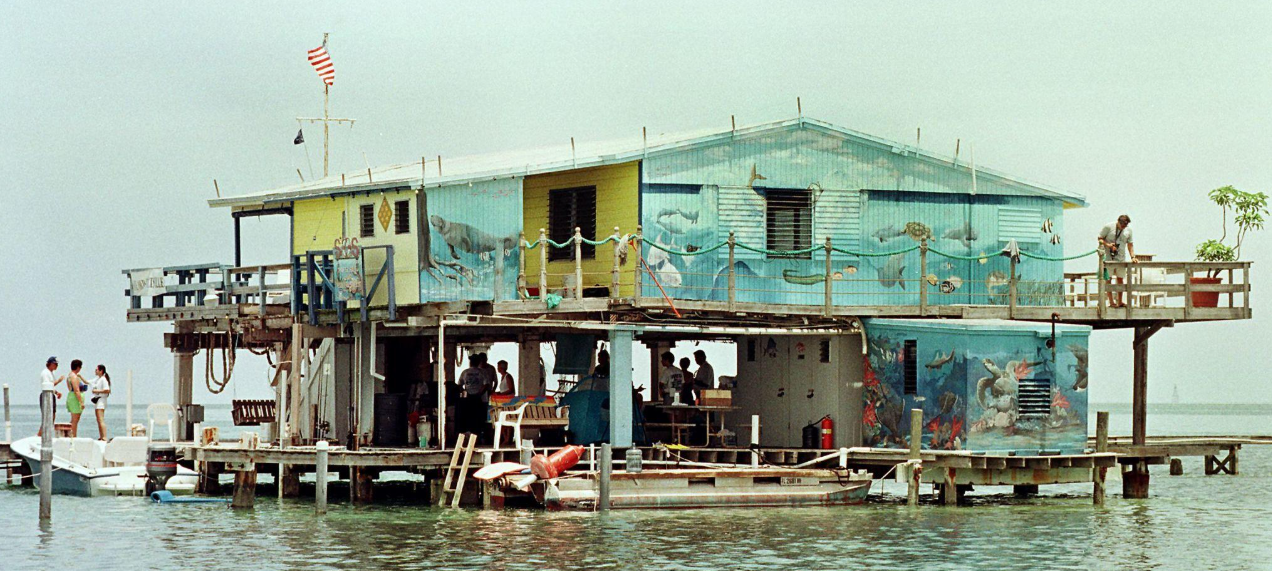
When we think of waterfront property in Florida, we generally envision a home overlooking a river, lake, bay or the Gulf. But what if the waterfront was not simply outside your window — what if it was beneath your entire house?
Just south of Key Biscayne, within the shallow waters of Biscayne Bay, stands the remnants of a community unlike almost any other in America.
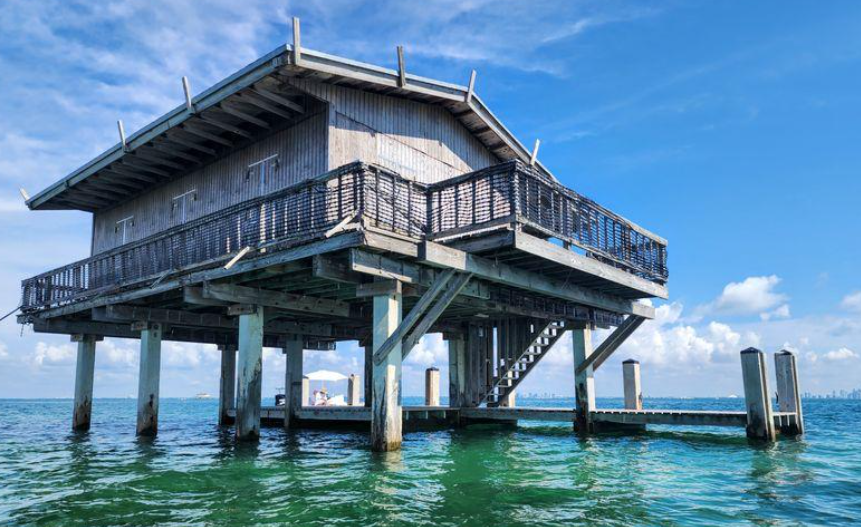
There are no streets, sidewalks, mailboxes or traditional property boundaries. Instead, colorful wooden structures rise above the turquoise waters on pilings, seemingly suspended between sea and sky.
Welcome to Stiltsville.
Humble beginnings
The commonly documented history of Stiltsville dates back to the early 1930s, when a fisherman known as "Crawfish Eddie" Walker constructed a shack above the shallow waters of Biscayne Bay.
What began as a modest offshore gathering place gradually developed into something much more elaborate.
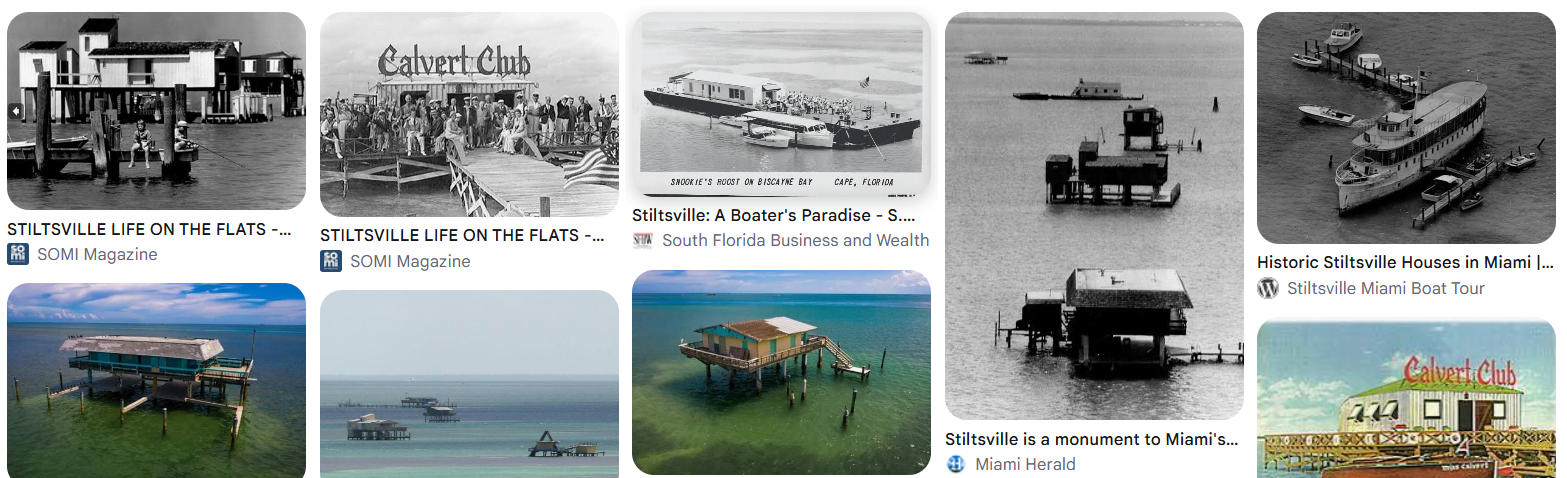
Fishing retreats, weekend residences and private social clubs began appearing throughout the shallow flats. By 1960, Stiltsville had reached its peak with 27 structures.
Among its most famous establishments were the Quarterdeck Club and the legendary Bikini Club. Offshore entertainment, exclusive gatherings and stories of gambling contributed to Stiltsville's somewhat rebellious reputation.
For many, it represented an escape from the conventions of life on land.
An architectural oddity
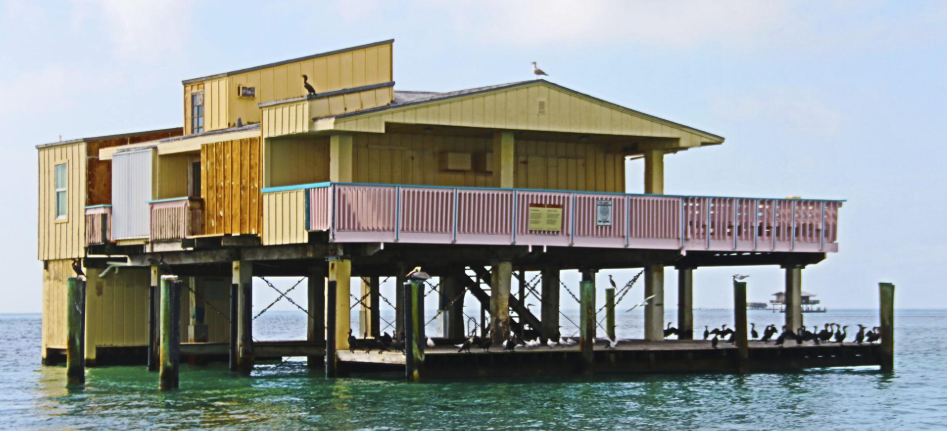
Unlike traditional waterfront homes, the structures of Stiltsville were constructed directly above submerged land, supported by wooden or concrete pilings anchored into the bay floor.
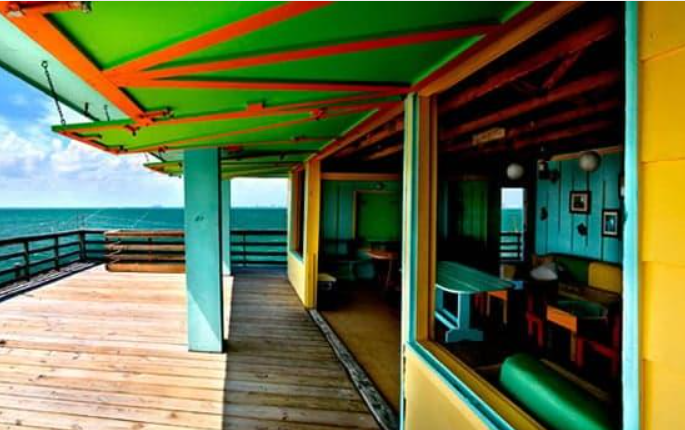
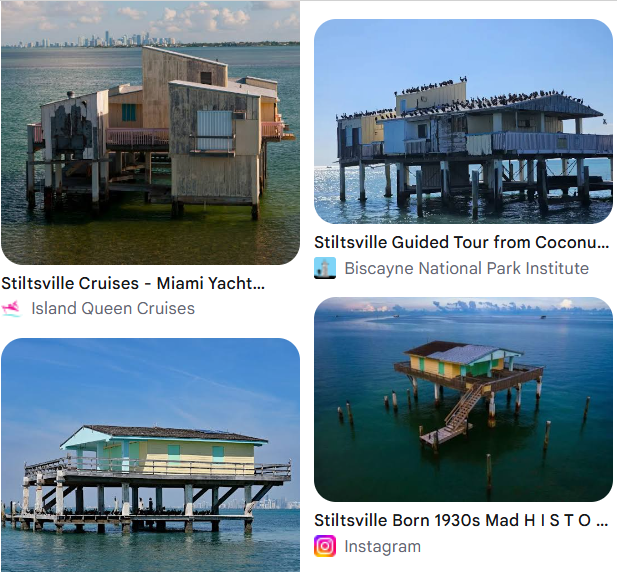
Each structure developed its own personality. Some resembled modest fishing cabins, while others featured expansive decks, multiple rooms, colorful shutters and distinctive rooflines.
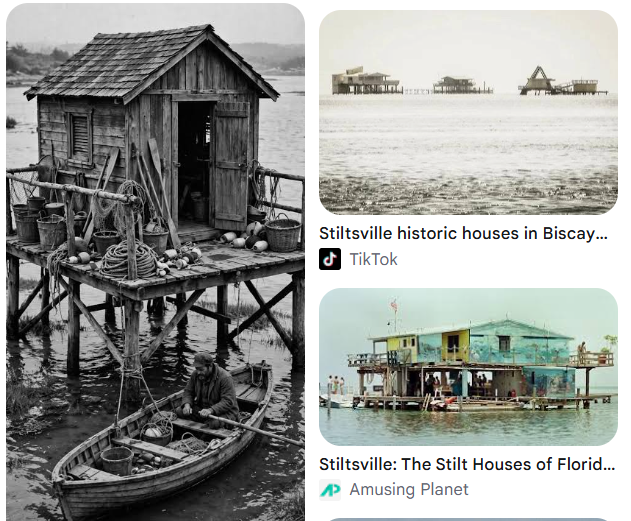
Construction materials, furnishings, food, drinking water and nearly everything necessary for a weekend retreat had to be transported by boat.
Imagine moving into one of these homes. Even delivering a refrigerator would become a maritime adventure.
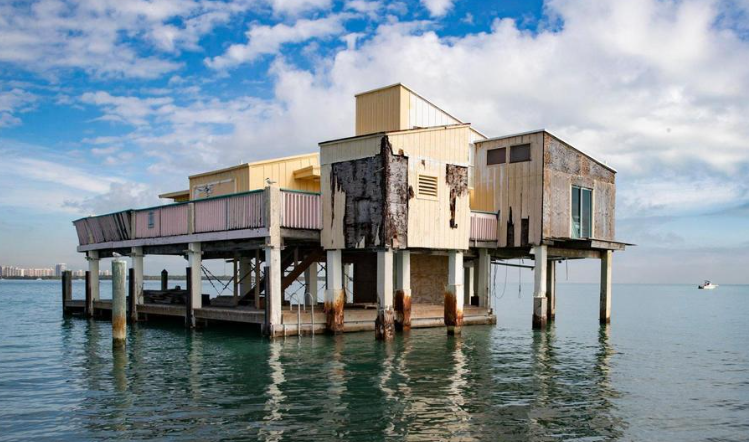
Although the concept may sound idyllic, maintaining such a property presented extraordinary challenges. Constant exposure to saltwater, humidity, tropical storms and marine organisms meant that deterioration was an ongoing concern.

Mother Nature had other plans
Stiltsville's greatest adversary was not development, politics or changing social trends — it was nature itself.
Hurricanes repeatedly battered the community. Fires claimed additional structures, and decades of exposure weakened others.
In August 1992, Hurricane Andrew swept through South Florida as a devastating Category 5 hurricane. Only seven Stiltsville houses remained after the storm.
Another structure, the LeShaw House, was lost to fire in January 2021, leaving six of the original seven surviving houses standing.
What once resembled an offshore village had become a scattered collection of architectural survivors.
The question of ownership
Perhaps the most fascinating aspect of Stiltsville, particularly from a real estate perspective, is its complicated relationship with property ownership.
Building and maintaining a structure does not necessarily mean that one owns the land beneath it.
The submerged lands were historically subject to state control and leasing arrangements. When Biscayne National Park expanded in 1980, Stiltsville became part of the federally protected area.
As the expiration of existing leases approached, the structures faced possible removal.
Preservation efforts eventually resulted in an arrangement between the National Park Service and the nonprofit Stiltsville Trust, established in 2003, allowing the remaining structures to be maintained for educational, historical and recreational purposes.
These are no longer conventional private vacation properties that one can simply purchase and occupy.
A lesson in waterfront real estate
Stiltsville offers an extraordinary example of several considerations that remain relevant to Florida property owners today:
Ownership of submerged land versus ownership of improvements.
Riparian rights and legal access to waterways.
Environmental and construction restrictions.
Hurricane exposure, insurance and maintenance costs.
Government regulations affecting rebuilding after destruction.
A beautiful waterfront location may offer extraordinary opportunities, but it can also come with limitations that are not immediately apparent.
Understanding what you actually own — and what you are legally permitted to do with it — is every bit as important as the view.
The houses that remain
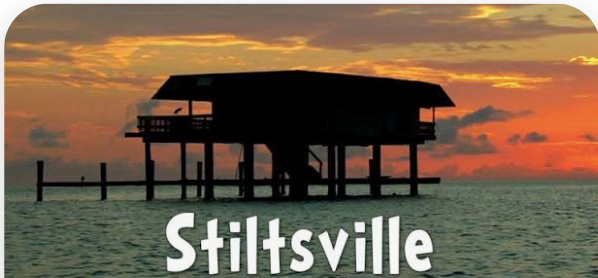
Today, Stiltsville stands as a reminder of a different era in Florida's history, when imagination and adventure created communities in the most unlikely places.
Visitors can observe the structures from the water, although access to the houses themselves requires special authorization.
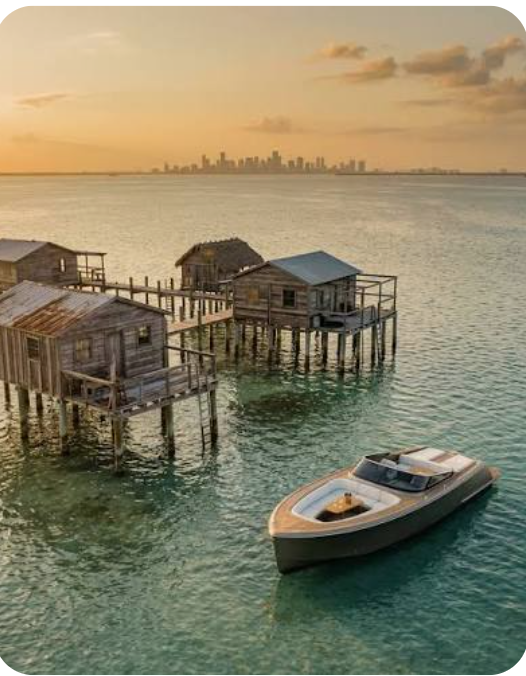
Against the distant backdrop of Miami's modern skyline, these weathered structures offer a striking contrast to the multimillion-dollar condominiums and luxury estates that now dominate much of South Florida's waterfront.
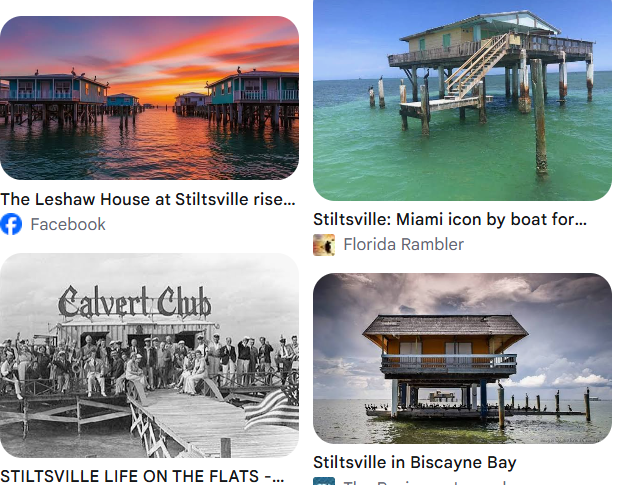
They are neither monuments to wealth nor masterpieces of engineering. They are monuments to human ingenuity, independence and the desire to create something beyond the ordinary.
And while the waters beneath them continue to move, the houses that refused to come ashore remain a remarkable part of Florida's story.
Every place has a story. Some don't even need land beneath them.
#FloridaOddities #Stiltsville #BiscayneBay #FloridaHistory #UnusualArchitecture #WaterfrontLiving #FloridaRealEstate #HistoricPreservation #SouthFlorida #EveryPlaceHasAStory #KartalHomes #WaypointProperties