

The Castle That One Man Built
Where Imagination, Architecture, and Salvaged Treasures Meet
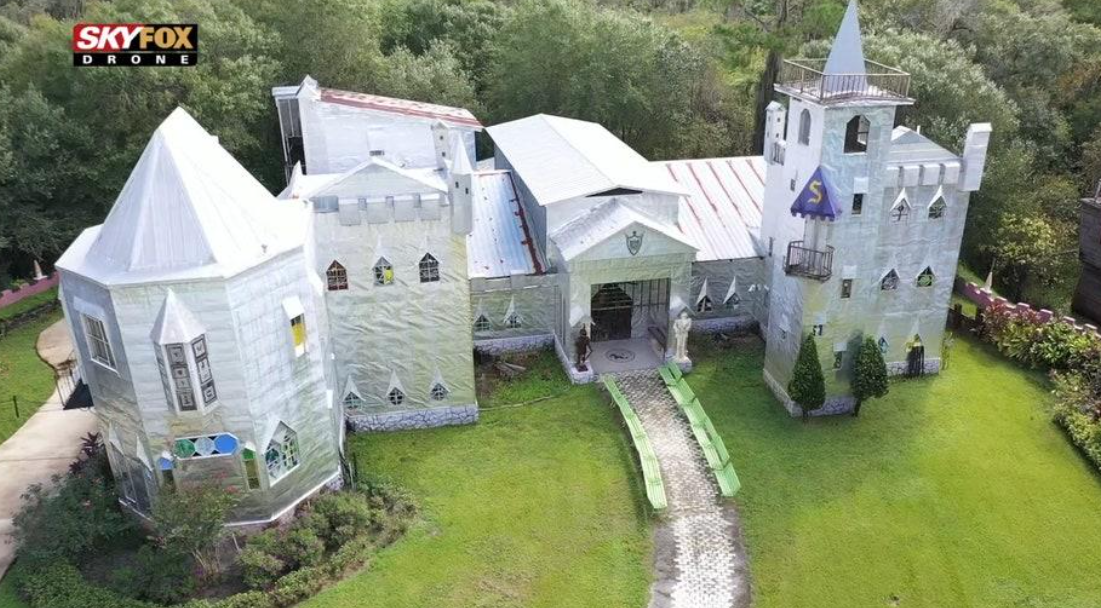
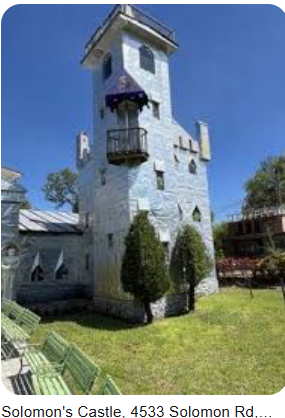
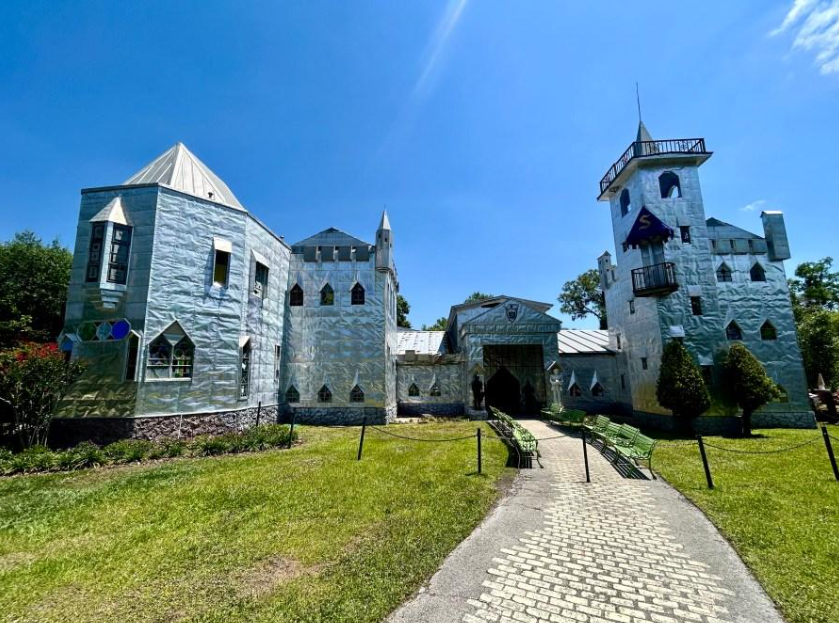
In the quiet countryside of Ona, Florida, tucked among the woodlands and rural landscapes of Hardee County, stands something you would never expect to encounter: a three-story castle gleaming in the Florida sunshine.
There are turrets, towers, stained-glass windows, and even a moat. Yet this castle was not built for a king, a wealthy aristocrat, or a medieval reenactment.
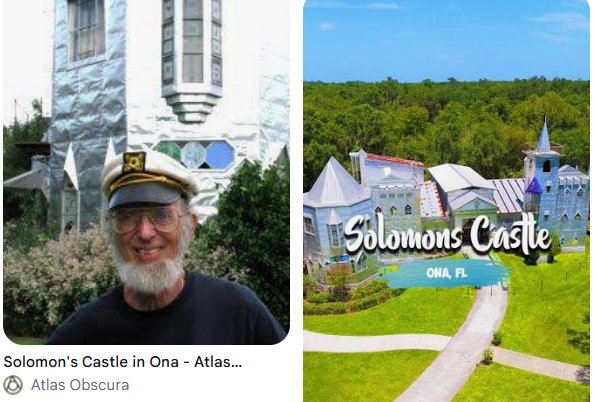
It was built by an artist named Howard Solomon.
And unlike the grand castles of Europe, this one was constructed largely from materials that other people had discarded.
An Artist with an Unusual Vision
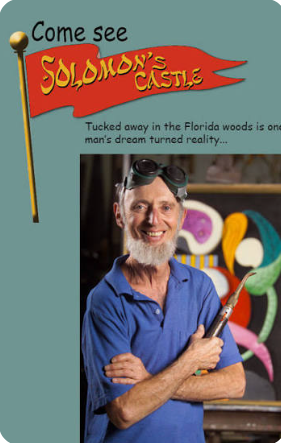
Howard Solomon was a sculptor, painter, craftsman, and self-taught builder who purchased rural Florida property in the early 1970s.
He had originally sought a peaceful place where he could work on his art. Instead, he created one of Florida's most unusual architectural landmarks.
Construction began in the 1970s, and the castle grew over the decades as Solomon continued adding rooms, towers, and artistic details.
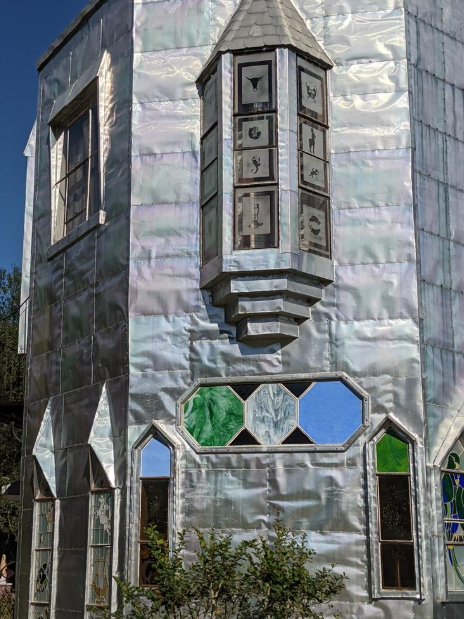
The building eventually reached approximately 12,000 square feet, with three stories and an exterior unlike almost anything else in Florida.
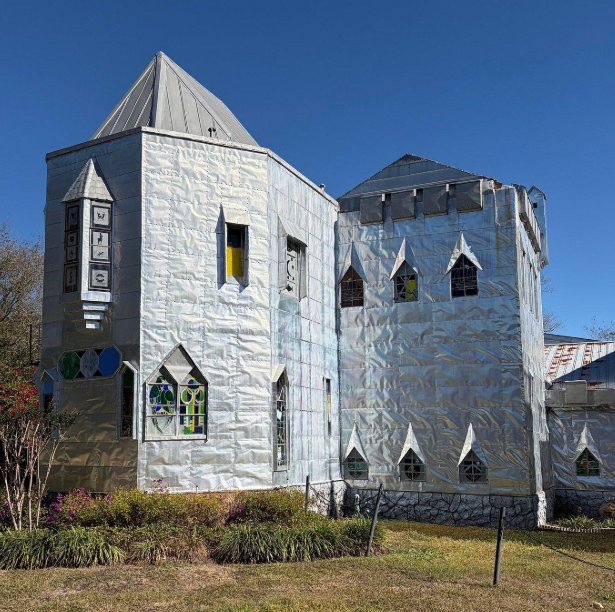
Its distinctive silver appearance comes from discarded aluminum printing plates once used by a local newspaper.
Rather than allowing those plates to become scrap, Solomon transformed them into the shimmering exterior of his castle.
It was recycling long before repurposing materials became a popular design movement.
A Castle Filled with Art
The building itself is only part of the attraction.
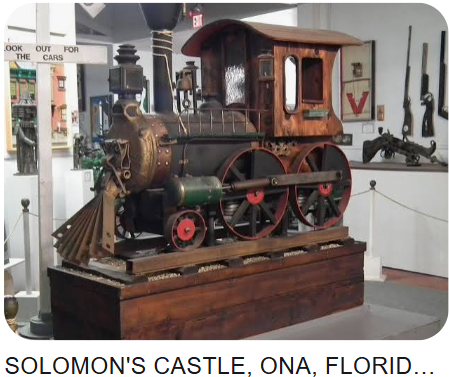
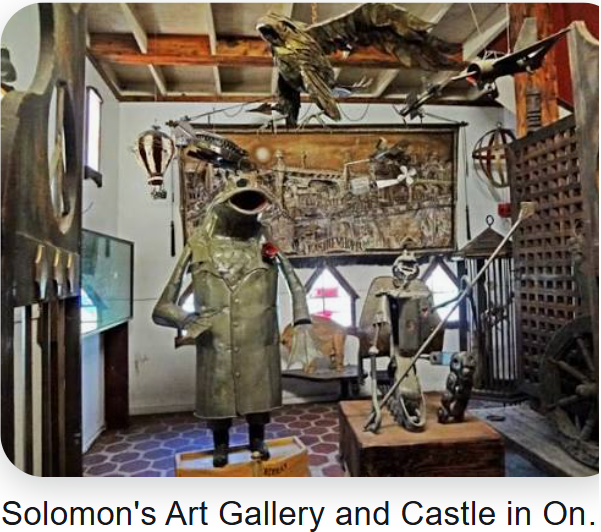
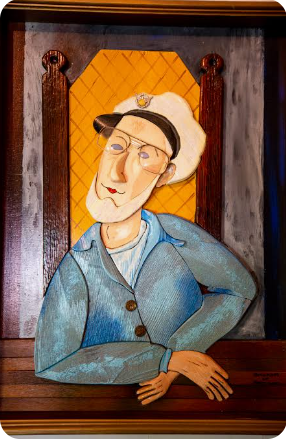
Inside, visitors discover an extraordinary collection of Solomon's artwork, including metal sculptures, wood carvings, and imaginative creations fashioned from everyday objects.
Discarded automotive parts, machinery, and other unwanted materials became whimsical figures, unusual inventions, and pieces filled with humor.
Solomon was particularly fond of puns, and many of his creations reflect his playful view of the world.
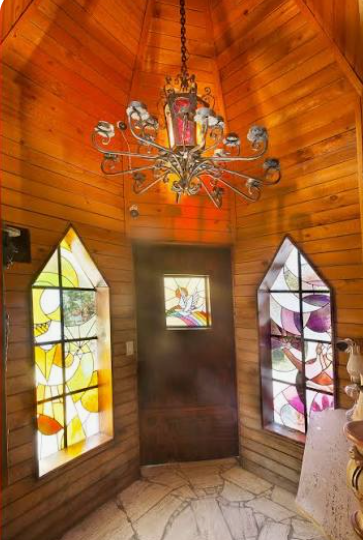
More than 80 interpretive stained-glass windows add color and storytelling to the castle's interior.
What began as a personal home and workspace gradually became a living gallery, with the architecture itself serving as perhaps Solomon's largest work of art.
A Boat in the Moat
As word spread about the remarkable castle hidden in the countryside, visitors began arriving to see it.
Eventually, they needed somewhere to eat.
Solomon's solution was hardly conventional.
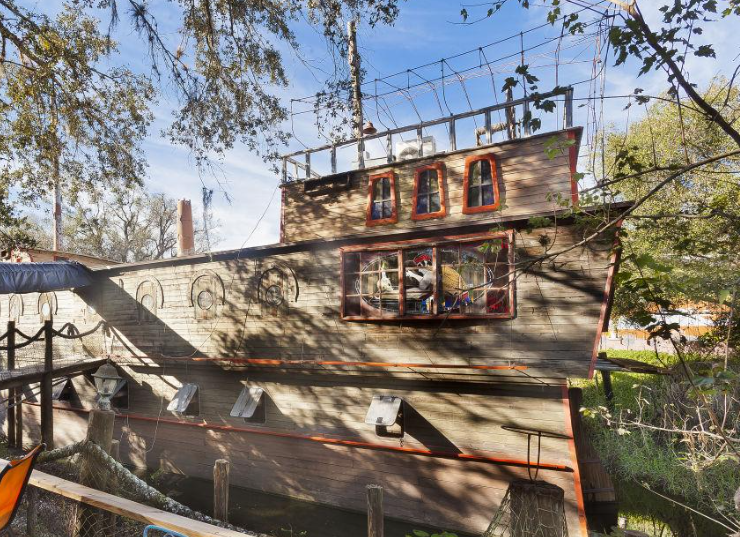
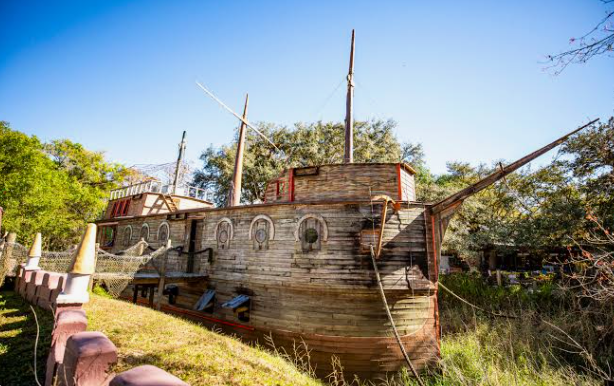
He built a roughly 60-foot, three-masted replica of a 16th-century Portuguese galleon and turned it into a restaurant.
Appropriately named the Boat-in-the-Moat, the vessel sits beside the castle, offering visitors a place to enjoy lunch surrounded by the same creativity that defines the property.
There is also a whimsical lighthouse known as Lily Life House, another example of Solomon's imaginative approach to the landscape.
From Private Home to Florida Landmark
One of the most interesting aspects of Solomon's Castle is that it was never originally intended to become a major tourist attraction.
It began as a place to live and create.
But curiosity has a way of finding extraordinary things.
Visitors arrived, word spread, and the unusual residence eventually became a destination attracting people from across Florida and beyond.
Solomon died in 2016, but his family continued preserving and sharing his work.
His daughter, Alane Solomon, has played an important role in maintaining the attraction and welcoming visitors.
The castle has also endured Florida's sometimes unforgiving weather, including significant flooding from Hurricane Ian in 2022.
Its survival is another chapter in the story of a place that was never designed to follow conventional expectations.

When Architecture Becomes Personal
From a real estate perspective, Solomon's Castle raises an interesting question:
What happens when a property becomes more than a building?
Most homes are designed around familiar expectations: bedrooms, bathrooms, kitchens, living areas, and practical floor plans.
But occasionally, someone creates a property that is so personal, so unconventional, and so closely connected to its creator that ordinary descriptions no longer seem adequate.
Solomon's Castle is part residence, part art gallery, part sculpture, and part Florida roadside attraction.
Its value as a cultural landmark comes not simply from its square footage or construction materials, but from the decades of imagination invested in its creation.
It also demonstrates how one distinctive property can become part of a community's identity and contribute to local tourism.
A Different Side of Florida
Florida has no shortage of remarkable destinations, but some of its most memorable attractions are found well beyond the usual tourist corridors.
Solomon's Castle is one of those places.
It reminds us that creativity does not always require expensive materials, prestigious architects, or elaborate plans.
Sometimes it requires only a piece of land, an unconventional idea, and someone willing to keep building.
Howard Solomon may never have worn a crown, but he certainly created a kingdom of his own.
And in a state known for the unexpected, that seems perfectly appropriate.
PLAN A VISIT: Guided tours, artwork, grounds, and the Boat-in-the-Moat Restaurant make this an unusual day-trip destination.
The attraction generally operates seasonally, closing during August and September. Check current hours, admission, and restaurant availability before traveling. website: https://solomonscastle.com/
#SolomonsCastle #OnaFlorida #FloridaAttractions #FloridaHiddenGems #FloridaArchitecture #HowardSolomon #FloridaHistory #RoadsideAttractions #RealEstateKitchenSink #ExploreFlorida #WaypointProperties